Kerala Tourism-Out and about
Kerala, often referred to as “God’s Own Country”, is one of the most popular tourist destinations in India. Known for its backwaters, Ayurveda, beaches, wildlife sanctuaries, and cultural festivals, Kerala attracts millions of domestic and international visitors every year.
1. History of Tourism in Kerala
Tourism in Kerala gained momentum in the 1980s and 1990s, with the state branding itself as a hub of eco-tourism and cultural tourism. The Kerala Tourism Development Corporation (KTDC) played a key role in infrastructure development, while the government launched promotional campaigns worldwide.
Kerala has consistently been ranked among the top states in India for tourism by the Ministry of Tourism. In 2023, Kerala recorded over 18 million domestic tourists and 600,000 foreign tourists, according to state tourism statistics.
2. Key Attractions in Kerala
2.1 Kerala Backwaters
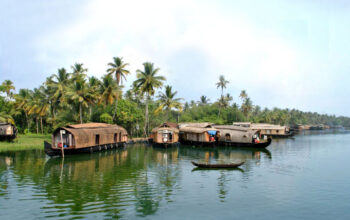
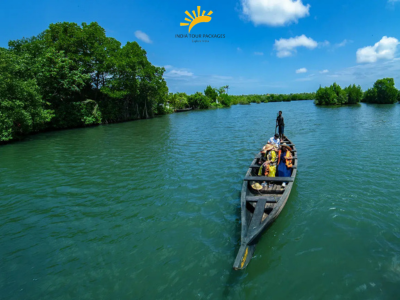
The backwaters are the highlight of Kerala tourism—an intricate network of lagoons, lakes, rivers, and canals stretching along the Arabian Sea coast. Towns such as Alappuzha (Alleppey), Kumarakom, and Kollam are major backwater destinations.
2.2 Beaches
Kerala is home to serene beaches like Kovalam, Varkala, and Bekal, offering both relaxation and water sports.
2.3 Hill Stations
The Western Ghats house popular hill stations such as Munnar, Wayanad, and Thekkady, known for tea plantations, wildlife, and trekking.
2.4 Ayurveda and Wellness Tourism
Kerala is globally recognized for Ayurvedic treatments, yoga retreats, and wellness tourism. International visitors often travel specifically for long-duration therapies and rejuvenation packages.
2.5 Festivals and Culture
- Onam – The state’s harvest festival, marked by snake boat races and Kathakali performances.
- Thrissur Pooram – Famous temple festival with decorated elephants and fireworks.
3. Eco-Tourism and Responsible Tourism
Kerala was among the first Indian states to emphasize responsible tourism practices. Initiatives such as homestays, village tourism, and eco-lodges provide sustainable livelihoods to local communities.
Wildlife sanctuaries like Periyar Tiger Reserve, Eravikulam National Park, and Silent Valley also contribute to eco-tourism.
4. Economic and Global Impact
Tourism contributes significantly to Kerala’s economy. The sector accounts for nearly 10% of the state’s GDP and generates large-scale employment.
International recognitions:
- Named one of the “Ten Paradises of the World” by National Geographic Traveler.
- Featured in Lonely Planet’s top destinations multiple times.
Kettuvallam: The Traditional Houseboats of Kerala
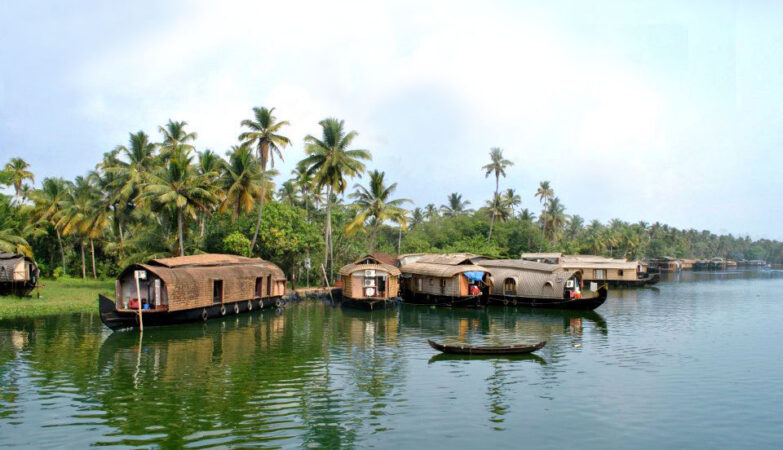
A Kettuvallam is a traditional wooden boat that has become an iconic symbol of Kerala’s backwater tourism. The term comes from Malayalam: “Kettu” (to tie) and “Vallam” (boat), meaning “boat tied together.”
1. Origins and History
Originally, Kettuvallams were used to transport rice, spices, and other goods through Kerala’s waterways. They were large, sturdy boats made entirely of eco-friendly materials such as bamboo poles, coir ropes, and coconut fibers—built without nails.
With the decline of traditional cargo transport, many Kettuvallams were converted into houseboats for tourists in the late 20th century.
2. Construction Technique
- Crafted from Anjili (jackfruit) wood and tied with coir ropes.
- Waterproofing achieved with black resin from cashew nut shells.
- Designed with thatched roofs and bamboo matting.
This ancient craft is recognized as part of Kerala’s intangible cultural heritage.
3. Kettuvallam as a Tourist Experience
Today, Kettuvallams are floating accommodations offering bedrooms, lounges, kitchens, and open decks. Tourists can cruise along backwaters in towns like Alappuzha and Kumarakom, experiencing village life, paddy fields, and local cuisine.
Houseboats range from basic single-bedroom boats to luxury multi-room vessels with modern amenities.
4. Role in Kerala’s Economy
Kettuvallams have created a thriving industry, employing thousands of boatmen, cooks, and artisans. They are central to Kerala’s responsible tourism initiatives, often owned by local families.
5. Environmental Concerns
The popularity of houseboats has also raised environmental challenges, such as water pollution and over-tourism in backwaters. The government has introduced regulations to ensure:
- Use of bio-toilets and waste management systems.
- Controlled licensing of houseboats.
- Promotion of eco-friendly practices.
FAQs: Tourism in Kerala
Q1: Why is Kerala called “God’s Own Country”?
A: Kerala earned this title due to its breathtaking landscapes, lush greenery, serene backwaters, and rich cultural traditions.
Q2: What is the best time to visit Kerala?
A: The best time is from October to March for pleasant weather. Monsoon season (June–September) is ideal for Ayurvedic treatments and lush scenery.
Q3: What are the top tourist destinations in Kerala?
A: Popular spots include Munnar, Alleppey, Kochi, Kumarakom, Wayanad, Thekkady, Kovalam, and Varkala.
Q4: How many days are enough for a Kerala trip?
A: A 5–7 day trip covers major highlights, while 10–12 days allow a deeper exploration of hill stations, backwaters, and beaches.
Q5: What is Kerala famous for?
A: Kerala is famous for its backwaters, houseboats, Ayurveda, Kathakali dance, spices, beaches, and wildlife sanctuaries.
Q6: Is Kerala good for a honeymoon?
A: Yes, Kerala is one of India’s most popular honeymoon destinations, offering romantic houseboat stays, misty hill stations, and luxury resorts.
Q7: What is the best way to travel within Kerala?
A: Travelers can use private taxis, trains, buses, and houseboats for exploring. Renting a cab is most convenient.
Q8: Which is better: Alleppey or Kumarakom for backwaters?
A: Alleppey is known for houseboat cruises, while Kumarakom offers a more serene, village-like backwater experience.
Q9: What food is Kerala known for?
A: Kerala is famous for Appam with stew, Kerala Sadya, Karimeen Pollichathu (pearl spot fish), Puttu and Kadala curry, and Malabar biryani.
Q10: Are Kerala beaches safe for swimming?
A: Yes, beaches like Kovalam and Varkala are safe for swimming, though tides may be strong during monsoon.
Q11: Is Kerala affordable for tourists?
A: Kerala offers both budget-friendly and luxury options, making it accessible for all types of travelers.
Q12: Which airports connect to Kerala?
A: Kerala has four international airports: Kochi, Thiruvananthapuram, Kozhikode, and Kannur.
Q13: What festivals are famous in Kerala?
A: The major festivals are Onam, Vishu, Thrissur Pooram, and Nehru Trophy Boat Race.
Q14: What are some offbeat destinations in Kerala?
A: Hidden gems include Silent Valley, Vagamon, Marari Beach, Bekal Fort, and Poovar Island.
Q15: Is Kerala good for adventure tourism?
A: Yes, Kerala offers trekking in Wayanad, bamboo rafting in Thekkady, paragliding in Vagamon, and wildlife safaris.
Q16: Can tourists enjoy Ayurveda in Kerala?
A: Kerala is the birthplace of Ayurveda, and tourists can experience authentic therapies in Ayurvedic resorts and wellness centers.
Q17: Is Kerala safe for solo women travelers?
A: Yes, Kerala is considered one of the safest destinations in India for solo and women travelers.
Q18: What is the best time for a houseboat cruise in Kerala?
A: Houseboat stays are enjoyable year-round, but winter (October–March) is most comfortable.
Q19: How is the weather in Kerala?
A: Kerala has a tropical climate: pleasant winters, hot summers (March–May), and heavy monsoons (June–September).
Q20: Why should tourists choose Kerala over other destinations?
A: Kerala offers a unique blend of backwaters, beaches, hill stations, Ayurveda, and culture, making it a complete holiday package.
Conclusion
Kerala tourism, with its unique blend of backwaters, culture, Ayurveda, and eco-tourism, continues to be one of India’s strongest tourism models. The Kettuvallam, once a humble cargo boat, is now an international symbol of Kerala’s hospitality and sustainability.
References (to strengthen credibility)
- Government of Kerala, Department of Tourism – https://www.keralatourism.org
- Kerala Tourism Statistics Report 2023 – Government of Kerala
- Ministry of Tourism, Government of India – https://tourism.gov.in
- National Geographic Traveler – “Top Destinations of the World” (2000 edition)
- Lonely Planet Guides – India: Kerala and the South