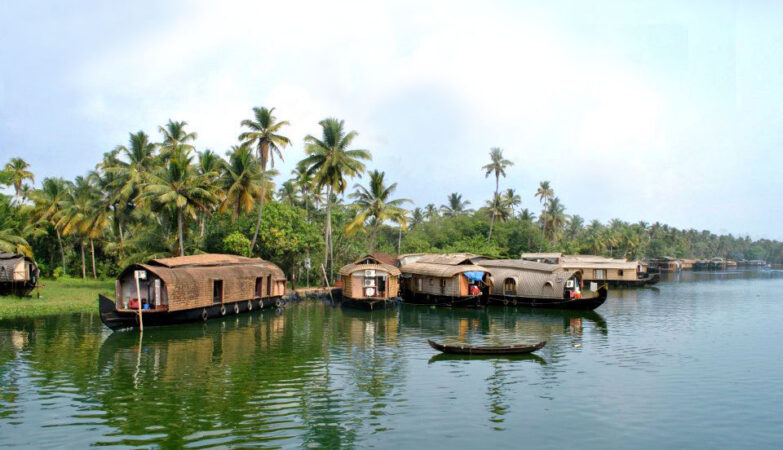
Why Spiritual Pilgrimage Tourism in India Is Ideal for Families
India’s pilgrimages are more than journeys to temples—they are family memories woven with faith. Grandparents revisiting sacred ghats, parents seeking blessings, kids watching aarti flames dance on riverbanks—these trips slow everyone down and bring hearts together. With the right planning, a yatra across India can be comfortable, meaningful, and stress-free for families and senior citizens.
This guide to spiritual pilgrimage tourism in India helps families plan temple trips with comfort and clarity.
This guide explains where to go, when to go, how to plan, and the small practical tips devotees search for while organizing spiritual trips across India.
Why Pilgrimage Is Central to Indian Spiritual Life
From the Himalayas to the southern seas, sacred geography shapes Indian culture. Rivers like the Ganga, towns like Varanasi, shrines like Tirupati, and circuits like Char Dham are believed to cleanse, heal, and connect generations through shared devotion. Pilgrimage tourism in India thrives because it blends faith, heritage, ritual, and family bonding in one journey.
Best Time to Plan Pilgrimage Trips (Region-Wise)
Weather plays a major role in planning spiritual pilgrimage tourism in India, especially for senior citizens.
- North India (Char Dham, Varanasi, Amritsar): March–June, Sept–Nov
- South India (Rameswaram, Madurai, Tirupati): October–March
- West India (Dwarka, Somnath, Shirdi): October–February
- Avoid monsoon for Himalayan circuits due to landslides
Choosing the right season ensures shorter queues, easier travel, and comfortable darshan for elders.
Major Pilgrimage Circuits in India (with Elder-Friendly Tips)
These sacred routes form the backbone of spiritual pilgrimage tourism in India for families and devotees.
Char Dham Yatra (Yamunotri, Gangotri, Kedarnath, Badrinath)
Several routes define spiritual pilgrimage tourism in India, each offering unique cultural and devotional experiences.
- Helicopter options for Kedarnath
- Start early, keep buffer days
- Carry woollens even in summer
Varanasi – Ayodhya – Prayagraj
- Evening Ganga Aarti at Dashashwamedh Ghat
- Boat ride at sunrise (minimal walking)
- VIP darshan slots at Kashi Vishwanath
Rameswaram – Madurai
- Corridor darshan at Ramanathaswamy Temple
- Meenakshi Temple early morning visit
- Easy coastal roads, veg food everywhere
Tirupati Balaji
- Book Special Entry Darshan online in advance
- Tonsure and laddu counters well organized
- Senior citizen darshan slots available
Dwarka – Somnath
- Compact temple areas, easy access
- Evening aarti at Somnath is serene
Shirdi – Shani Shingnapur
- Sai Baba temple queue management is smooth
- Close proximity between shrines
Amritsar – Golden Temple
- Wheelchair assistance available
- Langar for simple, hygienic meals
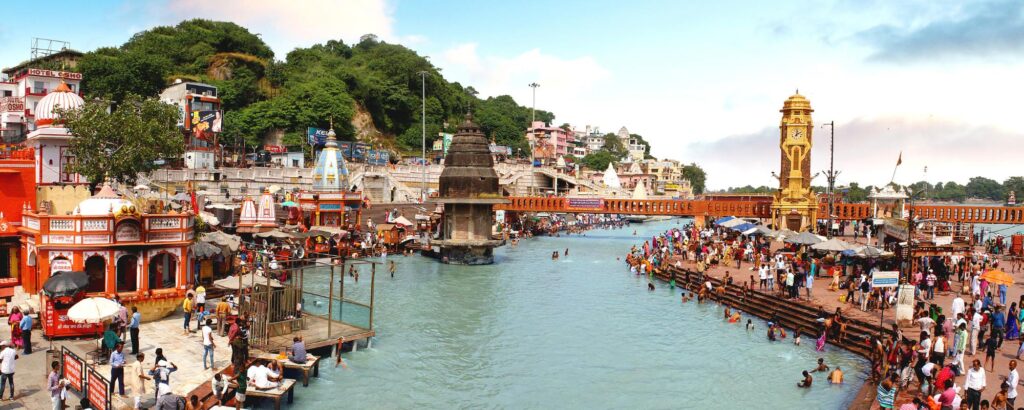
Sample 7-Day Pilgrimage Itinerary (Varanasi–Ayodhya–Prayagraj)
A well-planned route is essential to experience spiritual pilgrimage tourism in India without fatigue.
Day 1: Arrive Varanasi, evening Ganga Aarti
Day 2: Kashi Vishwanath darshan, boat ride, temples
Day 3: Travel to Ayodhya, Ram Janmabhoomi darshan
Day 4: Ayodhya sightseeing, evening aarti
Day 5: Travel to Prayagraj, Triveni Sangam visit
Day 6: Return to Varanasi, rest and shopping
Day 7: Departure
This route is low walking, spiritually rich, and senior-friendly.
Estimated Budget for a Family of 4 (6N/7D)
| Expense | Approx Cost (INR) |
|---|---|
| Travel (train/flight) | 12,000 – 30,000 |
| Private cab | 18,000 – 28,000 |
| Hotels near temples | 18,000 – 30,000 |
| Food | 8,000 – 12,000 |
| Darshan tickets, boat rides | 4,000 – 8,000 |
| Total | 60,000 – 1,08,000 |
Varies by circuit and hotel category.
Where to Stay for Easy Darshan
Staying close to temples is an important part of planning spiritual pilgrimage tourism in India comfortably.
- Stay within 1–2 km of temple/ghat
- Ask for lift access / ground floor rooms
- Choose hotels used to hosting pilgrims (early breakfast, simple food)
Food Availability for Devotees
Across pilgrimage towns, you’ll easily find:
- Pure veg thalis, idli/dosa, khichdi, fruits
- Clean drinking water and pharmacies
- Langar/Prasadam in many temples
Temple Darshan Tips (Very Important)
- Book special darshan tickets online wherever available
- Visit temples early morning (5–8 am) for shorter queues
- Dress modestly: traditional wear preferred
- Carry small cash for prasad and lockers
- Reach aarti venues 30 minutes early for seating
Travel, Safety & Medical Tips for Senior Citizens
- Avoid night travel in hilly regions
- Carry regular medicines, ORS, and light snacks
- Use ropeways/buggies where available
- Keep Aadhaar copies handy
- Plan rest time every afternoon
Common Mistakes Pilgrims Make
Many issues during temple trips happen due to poor planning of spiritual pilgrimage tourism in India.
- Trying to cover too many temples in one day
- Booking hotels far from temple areas
- Traveling in peak heat or monsoon
- Not pre-booking darshan tickets
- Ignoring rest needs of elders
Detailed FAQs on Pilgrimage Tourism in India
1) What is pilgrimage tourism in India?
Pilgrimage tourism in India refers to travel undertaken for spiritual, religious, and devotional purposes to sacred temples, ghats, shrines, monasteries, and gurudwaras across the country—often combined with family bonding and cultural exploration.
2) Which are the most popular pilgrimage circuits in India?
- Char Dham Yatra (Yamunotri, Gangotri, Kedarnath, Badrinath)
- Varanasi – Ayodhya – Prayagraj
- Rameswaram – Madurai – Kanyakumari
- Tirupati Balaji – Srikalahasti
- Dwarka – Somnath
- Shirdi – Shani Shingnapur
- Amritsar – Golden Temple
3) What is the best time to plan a pilgrimage trip in India?
- Himalayan circuits: March–June, Sept–Nov
- South India temples: Oct–Mar
- West India shrines: Oct–Feb
Avoid monsoon for hill yatras due to landslides and delays.
4) Are pilgrimage trips suitable for senior citizens?
Yes. Many temples offer ropeways, wheelchairs, buggy services, and special senior citizen darshan queues. Choosing central hotels and slow-paced itineraries makes the journey comfortable.
5) How many days are ideal for a pilgrimage tour?
Most circuits require 5 to 7 days for a relaxed experience without rushing darshan or travel.
6) Is VIP/Special darshan worth booking?
For families with elders and kids, yes. It reduces queue time significantly at places like Tirupati, Kashi Vishwanath, and Kedarnath.
7) Is vegetarian food easily available in pilgrimage towns?
Yes. Pure veg meals, simple thalis, idli/dosa, khichdi, fruits, and prasadam are widely available near temples.
8) Where should we stay during a pilgrimage trip?
Stay within 1–2 km of the temple/ghat. This reduces walking and makes early morning darshan easy.
9) What dress code should devotees follow?
Modest, traditional clothing is preferred:
- Men: Dhoti/pyjama/jeans with shirt
- Women: Saree/salwar/kurtis
Some temples restrict shorts, sleeveless tops, and western wear.
10) How early should we reach for aarti or darshan?
Reach 30–45 minutes early for aartis (Ganga Aarti, temple aartis) to get seating and avoid crowd pressure.
11) Are online darshan bookings available?
Yes, for many temples like Tirupati, Kedarnath helicopter, Kashi Vishwanath, and Shirdi. Pre-booking saves hours of waiting.
12) What medical precautions should seniors take?
Carry regular medicines, ORS, light snacks, and avoid dehydration. Plan rest time every afternoon.
13) Is it safe to travel at night during pilgrimages?
Avoid night travel in hilly regions (Char Dham). In cities like Varanasi, Madurai, Dwarka, it is generally safe but still better to finish travel before dark.
14) What common mistakes do pilgrims make?
- Overloading itinerary with too many temples per day
- Booking hotels far from temple areas
- Traveling in peak heat or monsoon
- Not booking darshan tickets in advance
15) Can kids enjoy pilgrimage trips?
Yes. Boat rides in Varanasi, ropeways in temples, cultural rituals, and local markets keep children engaged while learning about traditions.
16) How much does a typical family pilgrimage trip cost?
For a family of 4, a 6–7 day trip usually ranges between ₹60,000 to ₹1,20,000 depending on the circuit, hotel category, and travel mode.
17) Are guides necessary at pilgrimage places?
Local guides help understand temple history and rituals, especially in Varanasi, Madurai, and Hampi-like temple towns.
18) Is photography allowed inside temples?
Usually not inside sanctum areas. Follow signboards and temple rules strictly.
19) How to plan multiple temple visits without fatigue?
Limit to 2 major temples per day, keep afternoons free, and choose hotels close to the main shrine.
20) Should we plan pilgrimage trips ourselves or through a travel planner?
Pilgrimage routes involve darshan timing, hotel proximity, queue management, and transport coordination. Many families prefer experienced planners so they can focus on devotion while logistics are handled smoothly.
Char Dham info → https://badrinath-kedarnath.gov.in/
Kashi Vishwanath → https://shrikashivishwanath.org/
Tirupati Darshan booking → https://tirupatibalaji.ap.gov.in/
Somnath Temple → https://somnath.org/
Golden Temple → https://sgpc.net/
Conclusion
Spiritual & pilgrimage tourism in India becomes deeply fulfilling when the journey is well-paced, well-located, and thoughtfully planned. With the right stays, darshan timing, and transport, families can focus purely on devotion while logistics remain effortless. Many devotees prefer organizing such yatras through experienced travel planners so every detail—from temple access to hotel comfort—is handled smoothly.