Kabini Wildlife Safari Experience: A Slow, Nature-First Escape in Karnataka
Travel is changing. More Indians now want quiet forests over crowded viewpoints, birdsong over traffic noise, and meaningful time in nature instead of checklist tourism. If you’re craving a trip where mornings begin with mist over a river and evenings end with deer grazing near your cottage, the Kabini wildlife safari experience in Karnataka is exactly that kind of reset.
Tucked between Nagarhole National Park and the Kabini River, this region is one of India’s finest eco-tourism zones—ideal for couples, families, photographers, and mindful travelers seeking immersive, sustainable travel.
Why Kabini Is Emerging as an Eco-Tourism Hotspot
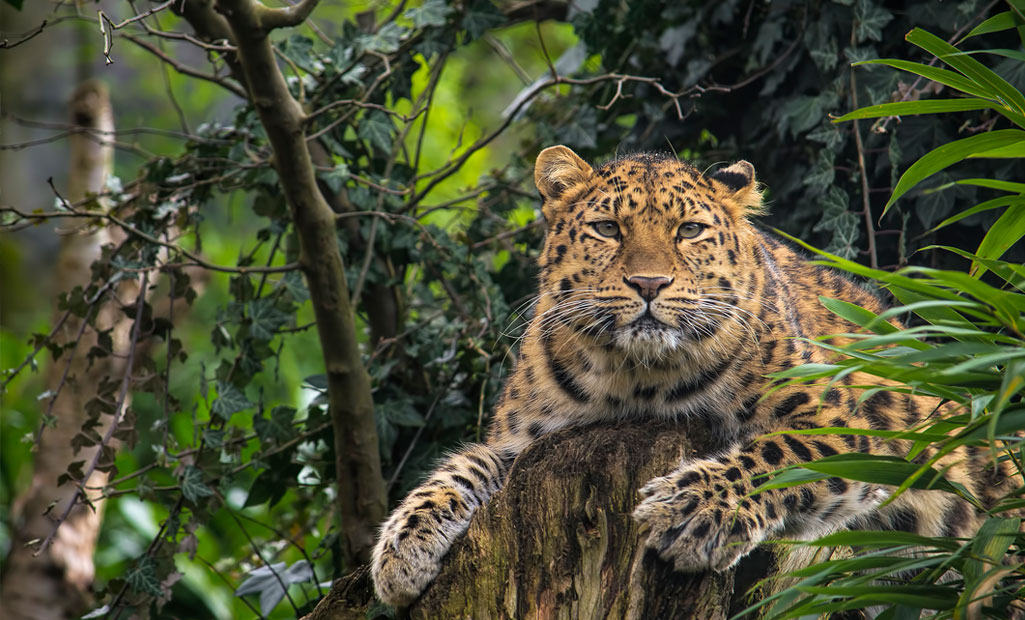
Kabini is part of the Nagarhole Tiger Reserve and one of the best places in South India for tiger sightings, elephant herds, leopards, and rich birdlife. Unlike commercial hill stations, Kabini limits construction, promotes forest lodges, and revolves around guided safaris and river ecology.
Search phrases: Kabini wildlife safari booking, Kabini tiger sighting chances, eco tourism in Kabini.
Best Time to Visit Kabini for Nature Experiences
- October to May: Best for safaris and wildlife sightings
- March to May: Higher chances of spotting big cats near water sources
- June to September: Lush greenery, fewer sightings but beautiful monsoon forest
Unique Experiential Activities in Kabini
- Jeep Safari inside Nagarhole National Park
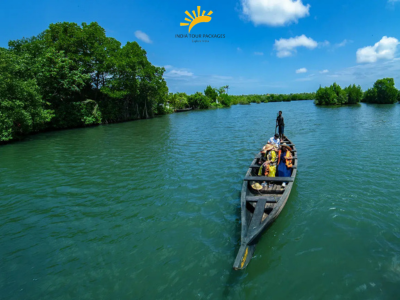
- Boat Safari on Kabini River (elephants often come to drink)
- Birdwatching with naturalists
- Nature walks around forest lodges
- Tribal village interaction (guided and respectful)
- Stargazing and riverside sunsets
This is not a place for shopping or nightlife. It’s for listening to the forest.
A Slow 5-Day Kabini Experiential Itinerary
Day 1 – Arrive Kabini from Mysore/Bangalore
Check-in at eco-lodge, evening nature walk.
Day 2 – Morning Jeep Safari & Evening Boat Safari
Rest during afternoon, birdwatching session.
Day 3 – Forest Interpretation & Leisure
Talk with naturalist, riverside relaxation, photography.
Day 4 – Second Jeep Safari
Different zone, higher wildlife spotting chance.
Day 5 – Departure after breakfast
Tip: Safaris happen early morning and late afternoon. Keep mid-day for rest.
Estimated Budget
| Expense | For 2 People | Family of 4 |
|---|---|---|
| Stay (eco-lodge with meals) | ₹28,000 – ₹45,000 | ₹48,000 – ₹80,000 |
| Safaris & boat rides | ₹6,000 – ₹10,000 | ₹10,000 – ₹16,000 |
| Transfers from Bangalore/Mysore | ₹6,000 – ₹10,000 | ₹8,000 – ₹12,000 |
| Total (3N/4D) | ₹40,000 – ₹65,000 | ₹70,000 – ₹1,10,000 |
Most lodges include meals and safaris in packages.
Where to Stay: Eco-Resorts & Forest Lodges
Choose government-approved or reputed eco stays:
- Jungle lodges
- Riverside eco-resorts
- Forest cottages with naturalist support
These places follow low-impact construction and wildlife rules.
Local Food & Cultural Experience
Meals are simple, local, and fresh:
- South Indian breakfasts, veg/non-veg thalis
- Early dinners as per forest timings
- Campfire storytelling by naturalists
Sustainable Travel Tips
- Wear earthy colors during safaris
- Avoid loud conversations and perfumes
- Do not litter or feed animals
- Follow forest department instructions strictly
- Carry reusable water bottles
Kabini thrives because travelers respect the ecosystem.
Travel, Safety & Packing Tips
- Reach Kabini before sunset (forest roads)
- Carry binoculars, camera, sunscreen, hat
- Light cotton clothes, neutral colors
- ID proofs mandatory for safari permits
- Limited mobile network — inform family in advance
Common Mistakes Travelers Make
- Expecting guaranteed tiger sightings
- Booking cheap stays outside forest zone
- Planning too many activities instead of relaxing
- Ignoring safari timings and rules
FAQs About Kabini Wildlife Safari Experience
1) What is the best time for a Kabini wildlife safari experience?
October to May is ideal. Summer months (March–May) improve chances of spotting elephants, leopards, and sometimes tigers near water sources.
2) Are tiger sightings guaranteed in Kabini?
No wildlife sighting is guaranteed, but Kabini (Nagarhole zone) has one of the higher probabilities in South India, especially in summer.
3) Which is better: jeep safari or boat safari?
Do both. Jeep safaris go deep into the forest for big cats and deer; boat safaris are excellent for elephants, birds, and scenic views along the river.
4) How do I book Kabini safari permits?
Safaris are usually arranged by forest lodges and eco-resorts as part of your stay. Limited slots make advance booking important.
5) Is Kabini suitable for kids and elders?
Yes. Safaris are guided and safe. Choose lodges close to the river/forest with minimal walking.
6) How many safaris should I plan?
At least 2 jeep safaris + 1 boat safari over 2–3 days for a well-rounded experience.
7) What should I wear during safaris?
Earthy colors (green, brown, beige), full sleeves, hat, and comfortable shoes. Avoid bright colors and strong perfumes.
8) Is mobile network available in Kabini?
Network is weak or patchy. Inform family in advance and enjoy the digital detox.
9) How far is Kabini from Bangalore and Mysore?
Around 220 km (5–6 hrs) from Bangalore and 60 km (1.5 hrs) from Mysore by road.
10) Can we visit Kabini without staying in a forest lodge?
Not recommended. Staying at an authorized eco-lodge ensures safari access, permits, meals, and proper guidance.
11) Are meals included in Kabini stays?
Most eco-resorts and jungle lodges offer all meals included as part of the package due to the remote location.
12) Is Kabini open during monsoon?
Yes, but safaris depend on forest conditions. The landscape is lush, though wildlife sightings may be fewer.
Conclusion
The Kabini wildlife safari experience is not about ticking off attractions—it’s about slowing down and reconnecting with nature. With fixed safari slots, forest rules, and remote access, many travelers prefer arranging Kabini trips through experienced travel planners who can secure the right lodge, permits, and timings—so you simply arrive and let the forest do the rest.